Understanding Plastic Injection Molding Machines
The plastic injection molding machine is a cornerstone of modern manufacturing, playing an essential role in producing various plastic components with speed and precision. As industries evolve and consumer demands shift, the need for high-performance plastic injection molding machines becomes increasingly vital. This technology not only streamlines production but also enhances the quality of the final products, making it an indispensable asset in sectors like automotive, electronics, and consumer goods.
What is a Plastic Injection Molding Machine?
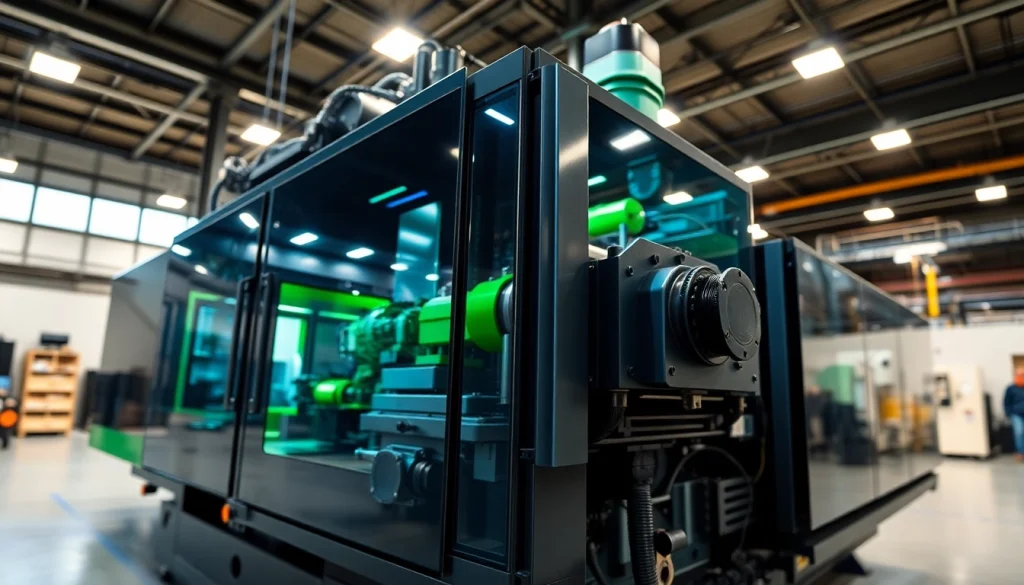
A plastic injection molding machine is a mechanical device that injects molten plastic into a mold to produce items ranging from intricate components to large housings. This process typically involves several key phases: melting plastic pellets, injecting the molten plastic into a mold cavity, cooling to solidify the shape, and then ejecting the finished product. The capability to produce complex designs with high efficiency makes this technology a preferred choice for mass production.
The Role of Electric Injection Molding Machines
Electric injection molding machines, like those in the Topstar TEII series, leverage advanced technologies to improve the precision and efficiency of the injection process. These machines utilize electric servos to perform the injection and clamping functions, ensuring more consistent pressure control and reducing energy consumption compared to traditional hydraulic systems. As manufacturing trends shift towards sustainability and efficiency, electric machines are gaining popularity.
Key Components and Their Functions
- Injection Unit: Responsible for melting and injecting the plastic into the mold. The design and capacity of the injection unit directly influence the machine’s throughput and efficiency.
- Clamping Unit: Holds the mold in place during the injection process. The stability provided by the clamping unit is crucial for maintaining product quality.
- Control System: Manages the machine operations, including temperature, pressure, and cycle times, often through a user-friendly interface that allows for easy adjustments and monitoring.
- Mold: The cavity into which the molten plastic is injected. The design of the mold determines the shape and detail of the finished product.
Advantages of Electric Injection Molding Machines
Electric injection molding machines offer numerous advantages that align with modern manufacturing needs. By utilizing digital technology and electric drive systems, these machines provide superior performance compared to their hydraulic counterparts.
Energy Efficiency and Cost Effectiveness
One of the most compelling benefits of electric injection molding machines is their energy efficiency. Compared to hydraulic systems, electric machines use up to 80% less energy, translating to significant cost savings over time. The precision of electric drives also minimizes the energy wasted during the injection cycle, further enhancing the overall efficiency of the manufacturing process.
Enhanced Precision and Product Consistency
Electric machines are known for their precise control over injection speed and pressure, which results in higher product consistency. This precision allows manufacturers to create complex designs with tighter tolerances, reducing the need for rework or scrapping defective parts. As industries increasingly demand higher quality and customization, electric injection molding machines stand out for their ability to meet these challenges effectively.
Integration with Automation Technologies
The integration of electric injection molding machines with automation technologies, such as robotics and AI, further boosts their productivity and efficiency. Automated part handling and inspection systems can be seamlessly integrated, allowing for a fully automated production line that minimizes labor costs and maximizes throughput. This synergy between machines and automation creates a more agile and responsive manufacturing environment.
Selection Criteria for Choosing the Right Machine
Choosing the right plastic injection molding machine requires careful consideration of various factors that align with your production needs and business goals. Understanding these criteria can help you make an informed decision that enhances operational efficiency and profitability.
Assessing Production Needs and Volume
The first step in selecting a plastic injection molding machine is to assess your production volume and the complexity of parts you intend to produce. High-volume productions may require larger machines with faster cycle times, while lower volume but higher complexity projects may benefit more from machines that offer precise control and flexibility.
Evaluating Technical Specifications and Features
When evaluating machines, consider key specifications such as clamping force, injection speed, and the flexibility of the machine to accommodate various molds. Features such as user-friendly interfaces, built-in safety systems, and maintenance support can also significantly impact operational effectiveness.
Budget Considerations and ROI Analysis
Budget constraints are a common factor in purchasing decisions. Conduct a thorough return on investment (ROI) analysis to compare initial costs and long-term savings associated with energy efficiency, reduced labor costs, and lower maintenance expenses. Finding a balance between upfront investment and expected returns is crucial for sustainable growth.
Common Challenges in Injection Molding Processes
While plastic injection molding is an efficient manufacturing process, various challenges can arise, impacting productivity and product quality. Understanding these challenges can help manufacturers implement preventive measures and solutions effectively.
Overcoming Production Bottlenecks
Production bottlenecks can occur at various points in the injection molding process, from melting and injection to cooling and ejection. Identifying and addressing these bottlenecks through process optimization, enhanced machine capabilities, or automation solutions can increase overall throughput and efficiency.
Addressing Quality Control Issues
Maintaining high-quality standards is critical in injection molding. Issues such as warping, short shots, and surface blemishes can compromise product quality. Implementing real-time monitoring systems and incorporating predictive maintenance strategies can help mitigate these quality control challenges.
Staying Updated with Technological Advances
The injection molding industry is continuously evolving with new technologies and innovations. Staying informed about the latest advancements can provide manufacturers with a competitive edge. Regular training and investment in modern machinery are essential for adapting to these changes effectively.
Future Trends in Injection Molding Technology
As we look towards the future, several trends are set to shape the landscape of injection molding technology. Understanding these trends can help businesses prepare effectively and leverage new opportunities.
Emerging Innovations to Watch in 2025
Technological advancements, such as the integration of artificial intelligence and machine learning into injection molding processes, are expected to revolutionize production. These innovations will enhance predictive maintenance, optimize machine operation, and improve product development cycles.
The Shift to Sustainable Manufacturing Practices
Environmental sustainability is becoming increasingly important in manufacturing. Injection molding processes are expected to evolve towards more sustainable practices, including the use of recycled materials and energy-efficient machines. Companies that adopt these practices will not only comply with regulations but also appeal to environmentally-conscious consumers.
Predictions for Market Growth and Evolution
The global market for injection molding is expected to continue growing, driven by the demand for lightweight and complex plastic components across various industries. This growth presents opportunities for manufacturers to innovate and expand their product offerings, ultimately enhancing competitiveness in the marketplace.