Understanding Bridge Cranes: An Overview
Bridge cranes, also known as overhead cranes, are a cornerstone of material handling in various industrial settings. These cranes are particularly designed to lift and move heavy materials across a defined workspace, typically spanning an entire factory floor. Whether in manufacturing, construction, or logistics, the utilization of a bridge crane can significantly enhance productivity and safety. In this article, we will explore the definition, purpose, key components, types, and benefits of bridge cranes, as well as their installation and maintenance requirements, future trends, and real-world applications.
Definition and Purpose of Bridge Cranes
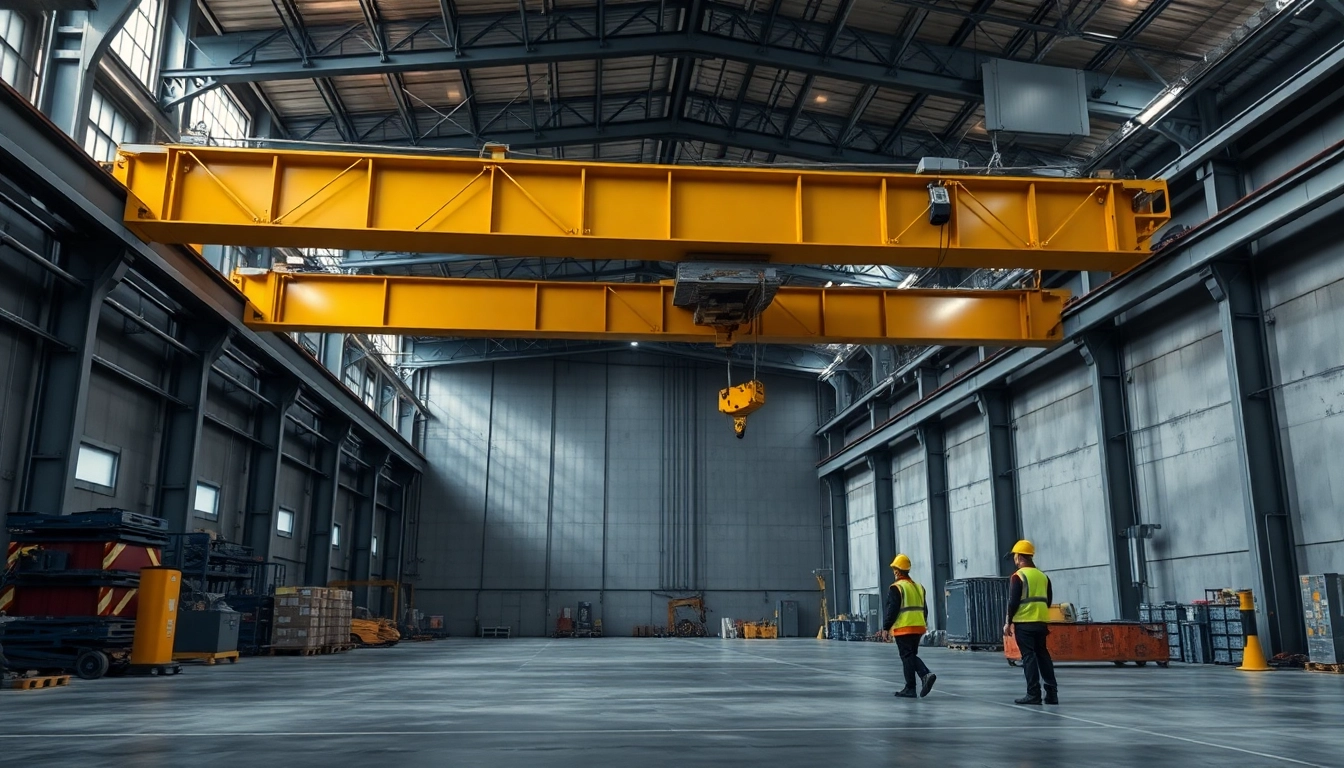
A bridge crane is a type of overhead crane that consists of a horizontal beam (the bridge) supported by two end trucks, allowing it to travel along elevated runways. This design enables the crane to move materials efficiently within a large area, making it an indispensable tool in industries where heavy lifting and high mobility are essential. Their primary purpose is to optimize the handling and transportation of heavy loads, thus improving workflow and minimizing manual labor.
Key Components of a Bridge Crane System
The effectiveness of a bridge crane is attributed to its key components, each playing a vital role in its operation:
- Bridge: The main horizontal structure that spans the width of the workspace.
- Runways: Parallel rails mounted on the building structure that allow the crane to travel.
- Hoist: The lifting mechanism attached to the bridge, used to raise and lower the load.
- End Trucks: Wheels that allow the bridge to move along the runways.
- Controls: The operator interface, which may be manual or automated.
Types of Bridge Cranes Currently Available
Bridge cranes can be categorized into various types based on their design and operational capability:
- Single Girder Cranes: Comprising a single bridge beam, these cranes are lighter and suitable for lighter loads.
- Double Girder Cranes: Featuring two bridge beams, these cranes handle heavier loads and provide greater stability.
- Freestanding Crane Systems: These cranes are supported by their structure rather than the building, offering flexibility in positioning.
- Underhung Cranes: This type hangs from the rail, allowing for more usable space beneath.
Benefits of Using a Bridge Crane in Industrial Settings
Employing bridge cranes in industrial environments can yield numerous benefits that enhance operational efficiency and workplace safety. Let's delve into these advantages more closely.
Enhanced Safety Features in Modern Bridge Cranes
Safety is paramount when handling heavy materials, and modern bridge cranes come equipped with advanced safety features. These may include:
- Load Limit Switches: Prevent overloading by automatically stopping operation when loads exceed capacity.
- Emergency Stop Controls: Allow operators to halt crane movement immediately in case of unforeseen issues.
- Signal Systems: Ensure clear communication among operators and ground personnel to avoid accidents.
Such features dramatically reduce the risk of workplace accidents and contribute to a safer working environment.
Operational Efficiency and Cost-Effectiveness
Bridge cranes are designed for high efficiency. They allow for faster load handling compared to other methods, significantly improving productivity. Their ability to cover large spans without additional supports frees up valuable floor space, which can be vital in crowded industrial settings. Furthermore, by reducing the need for manual lifting, companies can minimize labor costs and increase overall productivity.
Space Optimization in Warehousing with Bridge Cranes
One of the key benefits of utilizing bridge cranes is space optimization. They are capable of reaching high vertical spaces while maintaining a compact footprint at ground level. This design allows businesses to utilize their vertical space effectively, providing additional room for storage, machinery, or work areas. By maximizing the use of available space, organizations can enhance their operational capacity and improve workflows.
Installation and Maintenance Best Practices for Bridge Cranes
While the advantages of bridge cranes are clear, proper installation and maintenance are critical to ensuring their longevity and effectiveness. Below we outline essential practices for both.
Site Preparation for Bridge Crane Installation
Before installation, careful planning and site preparation are crucial. Key considerations include:
- Structural Integrity: Ensure that the building can support the bridge crane system.
- Space Assessment: Evaluate available space for the crane’s movement and load handling.
- Electrical Supply: Ensure that adequate electrical supply for the crane’s operation is available.
Collaboration with structural engineers and crane manufacturers during this phase can help avoid costly errors.
Regular Maintenance and Inspection Protocols
To ensure optimal performance, regular maintenance and inspections are necessary. Recommended protocols include:
- Daily Inspections: Check for any visible signs of wear or damage.
- Monthly Assessments: Perform detailed evaluations of the crane’s components, including hoists and gears.
- Annual Comprehensive Maintenance: Conduct a full inspection and necessary repairs to maintain safety and functionality.
Adhering to these maintenance protocols can prevent unexpected breakdowns and prolong the crane's lifespan.
Common Challenges in Bridge Crane Maintenance
Despite best practices, challenges in maintenance can occur, including:
- Access Issues: Difficulties in reaching certain components for inspection can hinder maintenance efforts.
- Wear and Tear: Heavy usage can lead to accelerated wear of critical components, necessitating regular replacement.
- Downtime Costs: Maintenance may require the crane to be out of service, impacting productivity.
Planning around these challenges ensures that maintenance does not disrupt operations significantly.
Future Trends in Bridge Crane Technology
As industries evolve, so do the technologies underlying bridge cranes. The following trends are shaping the future of crane operations.
Smart Technology Integration in Bridge Cranes
Modern bridge cranes are increasingly incorporating smart technologies such as IoT (Internet of Things) capabilities. This integration allows for:
- Real-Time Monitoring: Operators can receive real-time data on crane performance and load conditions.
- Enhanced Control: Automated controls can optimize load handling and reduce human error.
- Remote Operation: Crane operations can be managed remotely, improving safety and flexibility.
These advancements not only enhance efficiency but also contribute to safer workplace environments.
Predictive Maintenance through Data Analytics
With the rise of big data, predictive maintenance is becoming more common. By analyzing operational data, organizations can:
- Predict Failures: Identify potential issues before they lead to breakdowns.
- Optimize Maintenance Schedules: Tailor maintenance efforts based on actual wear patterns rather than generic timelines.
- Reduce Costs: Preventive measures can save money by reducing unexpected downtimes.
As data analytics technology continues to improve, its application in bridge crane maintenance will revolutionize operational strategies.
Environmental Considerations in Bridge Crane Development
Amid growing environmental concerns, manufacturers are focusing on sustainable practices. This includes:
- Energy Efficiency: Developing cranes that operate on less energy, contributing to lower operational costs.
- Material Recycling: Utilizing recycled materials in crane manufacturing to reduce waste.
- Reduced Emissions: Implementing electric and hybrid systems to minimize carbon footprints.
These environmental considerations will be crucial in shaping the development of future bridge crane systems.
Real-World Applications and Case Studies of Bridge Cranes
Bridge cranes are versatile tools used across various industries. Here are some notable applications and case studies.
Case Study: Manufacturing Efficiency with Bridge Cranes
A large automotive manufacturing facility implemented a double girder bridge crane system to streamline its assembly line processes. The crane's ability to move heavy components seamlessly across the production floor significantly reduced the time spent on material handling, resulting in a 30% increase in overall efficiency.
Impact of Bridge Cranes in Construction Projects
In the construction sector, bridge cranes have been instrumental in lifting and moving heavy materials at building sites. A notable project involved the construction of a high-rise building, where the crane facilitated the transportation of steel beams and other materials, proving essential for maintaining project timelines and enhancing safety for workers on-site.
Implementing Bridge Cranes in Logistics and Distribution Centers
Logistics companies are capitalizing on bridge cranes for their warehousing needs. For example, a distribution center in a major urban area employed bridge cranes to optimize their inventory management. By enabling fast and efficient retrieval of goods, this implementation has led to improved order fulfillment rates and enhanced customer satisfaction.
In conclusion, bridge cranes are essential in optimizing material handling in various industrial contexts. Their benefits, including enhanced safety, operational efficiency, and space utilization, position them as invaluable assets in manufacturing, construction, and logistics. As technology continues to evolve, the integration of smart features and predictive maintenance will further enhance the capabilities of bridge cranes, ensuring their relevance in the future of industrial operations.