
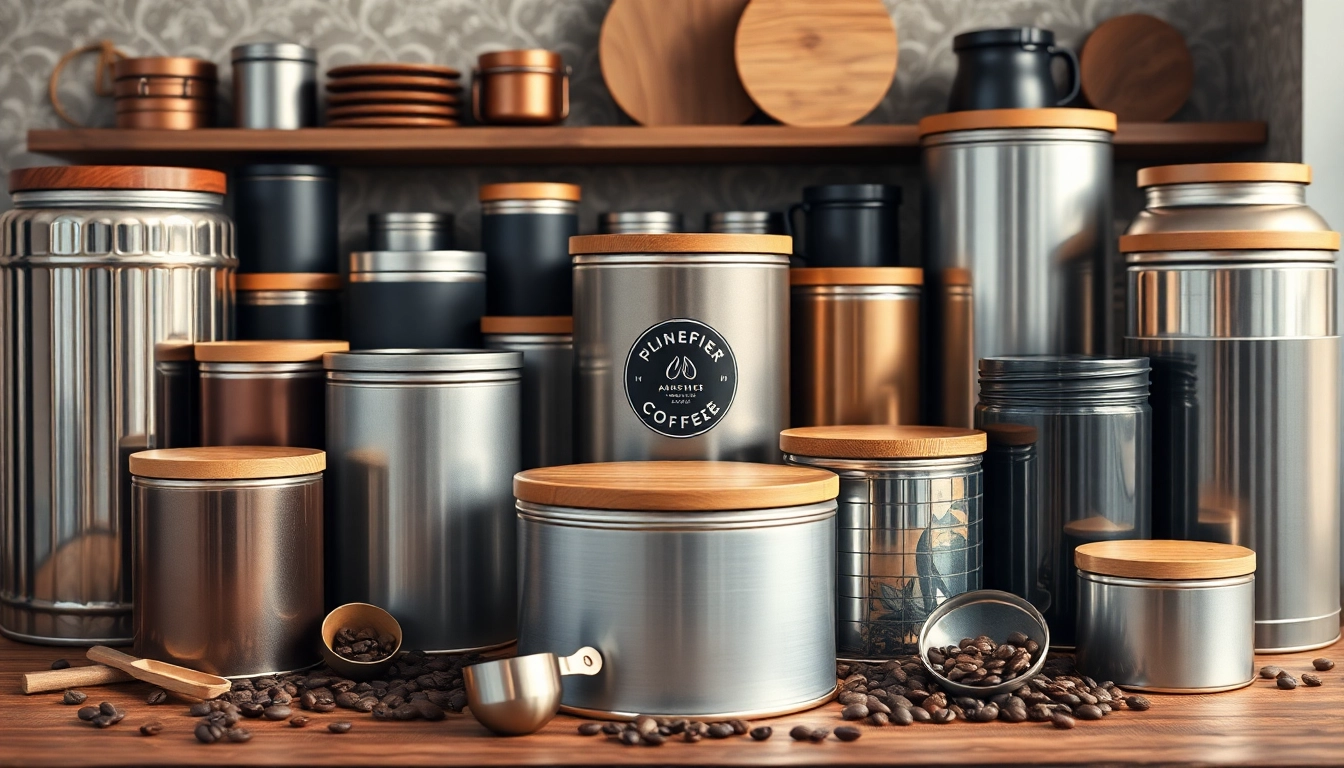
Understanding Coffee Tins: The Perfect Choice for Coffee Preservation
In the world of coffee storage, coffee tins have emerged as a favorite among both enthusiasts and retailers. Their unique properties not only preserve the freshness and flavor of coffee but also add a touch of style to any kitchen or café. This article delves deep into the world of coffee tins, exploring their benefits, options available in the market, and how they contribute to maintaining your coffee's optimal quality. By understanding the intricacies of coffee tins, you can make informed choices for both personal use and business needs.
What Are Coffee Tins and Their Benefits?
Coffee tins are specifically designed containers made from high-quality tinplate, ideal for storing coffee beans or ground coffee. Their construction allows them to resist the effects of light and moisture, which are two significant factors contributing to the deterioration of coffee quality. Some of the key benefits of using coffee tins include:
- Airtight Sealing: Many coffee tins feature advanced sealing mechanisms, such as metal clip lids or silicone seals, ensuring that air does not compromise the freshness of the coffee.
- Durability: Unlike traditional packaging options like paper bags or glass jars, coffee tins are more robust and are designed for long-term use.
- Customizable Designs: Businesses can customize coffee tins with logos or unique designs, making them not just functional but also promotional tools.
- Eco-Friendliness: Made from recyclable materials, these tins can be reused, minimizing environmental impact.
How Coffee Tins Compare to Other Storage Options
When it comes to coffee storage, several options are available, including glass jars, plastic containers, and vacuum-sealed bags. However, coffee tins hold distinct advantages:
- Glass Jars: While glass jars provide a good seal and allow visibility, they are susceptible to breakage and can allow light to penetrate, negatively impacting coffee.
- Plastic Containers: While lightweight and portable, many plastic containers can lead to static issues, which might attract coffee grounds and impact flavor.
- Vacuum-Sealed Bags: Although effective in keeping coffee fresh for short periods, they lack the visual appeal and durability that coffee tins offer.
Types of Coffee Tins: Exploring Your Options
Elliptical vs. Rectangular Coffee Storage Tins
When choosing coffee tins, the shape is an important consideration. Elliptical tins offer a distinctive look and can be more compact, making them suitable for smaller spaces. Rectangular tins, on the other hand, may provide better storage efficiency when it comes to shelf space. The choice largely depends on personal aesthetic preference and practical usage.
Coffee Tins with Unique Lid Designs: Pros and Cons
The lid design can greatly influence the functionality of a coffee tin. Options include:
- Clip Top Lids: These provide excellent airtight seals but may be less convenient to open frequently.
- Screw Top Lids: Offer secure sealing but may not be as user-friendly for quick access.
- Bamboo Lid Tins: These combine aesthetics with functionality, providing a natural touch while maintaining a tight seal.
Material Choices: Metal vs. Other Containers
Metal is the material of choice for coffee tins due to its high barrier properties against light, oxygen, and moisture. Compared to cardboard or glass, metal tins are far more resilient, ensuring the longevity of both the container and its contents.
The Customization Process: Tailoring Coffee Tins to Your Needs
Design Elements: Modern vs. Retro Styles
Customizing coffee tins can significantly enhance brand identity. Modern designs often favor sleek lines and minimalistic aesthetics, while retro styles can evoke nostalgia and charm, appealing to consumers' emotions. Businesses should carefully consider their target market when choosing design styles.
Choosing Patterns and Colors for Your Brand
Colors and patterns play a crucial role in branding. Bright colors and unique patterns can attract attention on crowded shelves, while a more subdued palette may suggest premium quality. Employing color psychology can further influence consumer behavior, making it essential to align patterns and colors with brand values.
Volume Orders: Cost-Effective Strategies for Businesses
Ordering coffee tins in bulk is not only cost-effective but can also streamline the production process. By choosing to purchase a minimum of 3,000 pieces, businesses can take advantage of lower per-unit costs and reduce transportation frequency, ultimately leading to substantial savings.
Best Practices for Storing Coffee in Tins
How to Maintain Freshness with Airtight Seals
Ensuring an airtight seal is crucial for maintaining the freshness of coffee. It is important to close the lid tightly after each use and to store the tins in a cool, dark place away from heat sources. This minimizes exposure to light and heat, both of which can degrade coffee quality.
Common Mistakes to Avoid When Using Coffee Tins
Many coffee enthusiasts inadvertently make mistakes that lead to stale coffee. Some common mistakes include:
- Storing in Humid Areas: Humidity can lead to mold growth and spoilage, so it's best to keep coffee tins in dry locations.
- Using Tins for Other Substances: Mixing different products can lead to contamination and flavor transfer, affecting the coffee's taste.
- Not Cleaning Tins Regularly: Residue from previous contents can alter flavor; hence, regular cleaning is essential.
Optimal Conditions for Coffee Storage
To preserve coffee quality, maintain optimal conditions by regulating temperature and humidity. The ideal storage temperature ranges from 60°F to 75°F, and humidity levels should be around 50-60%. Avoid placing coffee tins in areas with high temperature fluctuations.
Future Trends in Coffee Tins: What to Expect in 2025 and Beyond
Emerging Designs and Sustainable Materials
The future of coffee tins is leaning towards sustainability. As consumers become more environmentally conscious, manufacturers will likely shift towards using recycled metals and eco-friendly coatings to appeal to this demographic. Expect more innovative designs that integrate these sustainable practices.
Technological Innovations in Coffee Storage Solutions
Advancements in technology may introduce smart coffee tins equipped with sensors to monitor freshness levels and humidity. This could revolutionize how consumers approach coffee storage, offering data-driven insights to maintain quality.
Consumer Preferences Shaping the Future of Coffee Tins
Consumer preferences are increasingly influencing the design and functionality of coffee tins. As trends shift towards personalized experiences, manufacturers will need to adapt by providing customizable options that align with individual tastes and values.