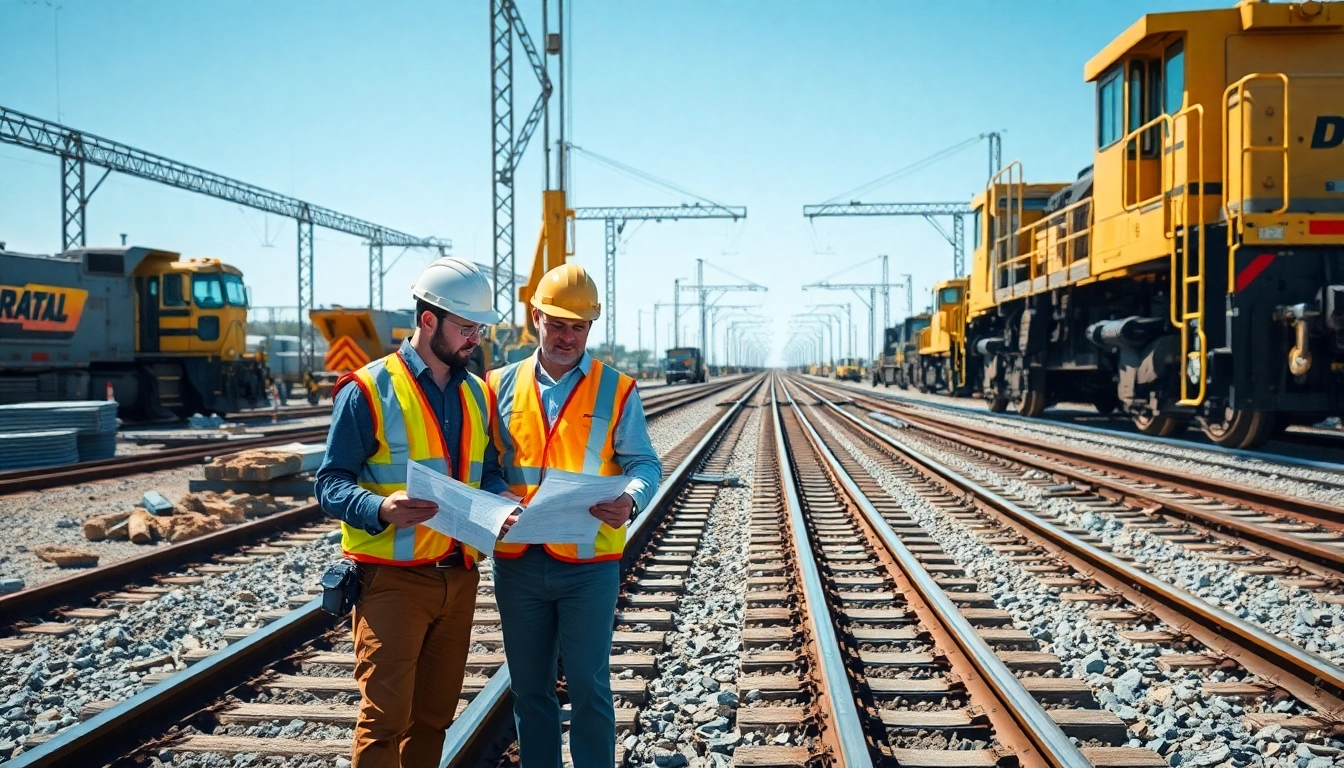
Understanding Railroad Engineering Fundamentals
What Is Railroad Engineering?
Railroad engineering is a specialized branch of civil engineering that focuses on the design, construction, operation, maintenance, and safety of rail systems and their associated infrastructure. This discipline plays a critical role in ensuring efficient train operations, which facilitate the movement of goods and passengers across vast distances. The field encompasses various engineering aspects, from the physical tracks and signaling systems to the efficiency of rail operations and safety measures. It is a complex blend of numerous engineering principles that requires an understanding of mechanics, materials science, and logistics.
Key Components of Railroad Engineering
The key components of railroad engineering can be categorized into several distinct areas:
- Track Design and Construction: This includes the selection of materials, design of trackbed, and the layout of tracks to ensure safety and efficiency.
- Railway Operations: Involves scheduling, train control, and management to optimize the flow of train traffic.
- Safety Systems: The implementation of systems such as signals, interlocking mechanisms, and automatic train control systems to prevent accidents.
- Maintenance Practices: Regular upkeep of the track, rolling stock, and signaling systems to maintain operational efficiency and safety.
- Environmental Considerations: Assessing the impact of rail projects on the environment and incorporating sustainable practices into engineering solutions.
Historical Overview and Evolution
The evolution of railroad engineering parallels the history of rail transport itself. The first railways emerged in the early 19th century, utilizing steam locomotives that laid the groundwork for modern railway systems. Over the decades, technological advancements have transformed railroad engineering, with the introduction of electric trains in the early 20th century, followed by automated systems in recent times. Additionally, research and development have led to innovations in rail materials and construction techniques. Understanding this historical context is essential for aspiring engineers, as it informs current practices and future developments.
Educational Pathways in Railroad Engineering
Degree Programs and Certifications
A career in railroad engineering typically requires a relevant degree, with many universities offering specialized programs. Common degrees include:
- Bachelor’s Degree in Civil Engineering: Focuses on the fundamental principles of engineering with elective courses specific to railroad engineering.
- Master’s Degree in Railroad Engineering: Advanced education that includes research opportunities and specialization in railway systems.
- Certifications: Various professional organizations offer certifications that validate expertise in railroad engineering, crucial for career advancement.
Furthermore, institutions such as the University of Delaware and University of South Carolina provide focused programs that cover essential topics needed for a successful career in Railroad Engineering.
Skills Required for Railroad Engineering
In addition to formal education, aspiring railroad engineers must possess a combination of technical and soft skills, including:
- Analytical Skills: Ability to analyze complex engineering problems and find effective solutions.
- Technical Proficiency: Understanding of engineering software, tools, and modern technologies used in track design and maintenance.
- Communication Skills: Effectively conveying ideas and working collaboratively with teams, stakeholders, and regulatory bodies.
- Project Management: Skills in managing timelines, budgets, and resources to ensure project completion.
Online Learning vs. Traditional Education
The rise of online education has opened new avenues for students pursuing railroad engineering. While traditional education provides hands-on experience in labs and workshops, online programs offer flexibility and access to a broader range of resources. Many universities now provide hybrid models, combining in-person and online learning, allowing students to gain theoretical knowledge while engaging in local engineering projects. The choice between online learning and traditional education often hinges on personal preference, learning style, and career goals.
Career Opportunities in Railroad Engineering
Types of Jobs Available
The railroad engineering field offers a variety of career opportunities, including:
- Railway Design Engineer: Focuses on track layout and design projects, ensuring compliance with safety standards.
- Infrastructure Manager: Oversees the maintenance and upgrade of rail infrastructure, including bridges and tunnels.
- Systems Engineer: Works on the integration of trains, signals, and operational systems to enhance efficiency and safety.
- Safety Engineer: Specializes in developing and implementing safety protocols for rail operations.
- Project Manager: Coordinates various projects within the railroad sector, ensuring they stay on schedule and within budget.
Salary Expectations in Railroad Engineering
Salary expectations in railroad engineering vary based on experience, education level, and job title. According to industry reports, the average salary for locomotive engineers is approximately $72,719 annually, with salaries starting from $57,819 and reaching up to $91,458 for experienced professionals. Specialization in certain areas, such as safety and systems management, can further enhance earning potential, making this field attractive for many engineers.
Job Market Trends and Predictions
The job market for railroad engineers is expected to grow, driven by the increasing demand for efficient transportation solutions and sustained investments in rail infrastructure. As governments and private sectors prioritize rail transportation, opportunities for skilled engineers will expand. Furthermore, the integration of new technologies, such as automation and smart systems, is likely to create new job categories that require specialized knowledge and skills, ensuring that railroad engineering remains an essential and evolving career path.
Challenges in Railroad Engineering
Safety Standards and Regulations
Safety is paramount in railroad engineering, governed by stringent national and international regulations. Engineers must ensure that all designs, constructions, and operations comply with these standards to prevent accidents and liability issues. Continuous training and updates on safety protocols are essential for all personnel in the field. Moreover, new technologies can complicate compliance, necessitating thorough evaluations and ongoing dialogues with regulatory bodies.
Environmental Impacts
Railroad engineering must also address environmental concerns. The construction and operation of railroads can significantly impact local ecosystems, necessitating rigorous environmental assessments and compliance with sustainability regulations. Engineers are tasked with implementing eco-friendly practices, such as reducing emissions, managing water runoff, and mitigating habitat disruption, making it a vital consideration in modern rail projects.
Technological Advancements in the Field
The rapid pace of technological advancement continues to influence railroad engineering dramatically. Innovations in materials, construction methods, and operational technologies have revolutionized the design and management of rail systems. Engineers must stay abreast of these changes, adapting their practices to leverage new technologies effectively. Training programs and continued education are crucial for professionals seeking to enhance their skill sets in alignment with these advancements.
Future of Railroad Engineering
Innovations Shaping the Industry
The future of railroad engineering is poised for significant transformation, driven by technological innovations and the growing emphasis on sustainable practices. Emerging technologies such as artificial intelligence, IoT, and advancements in train propulsion systems promise to enhance efficiency and safety. Additionally, incorporating renewable energy solutions into rail systems reflects a push toward sustainability, aligning with global environmental goals.
The Role of Sustainability
Sustainability is becoming increasingly central to railroad engineering. Engineers are exploring ways to reduce the carbon footprint of rail transport, considering factors such as energy-efficient locomotives and environmentally friendly construction materials. Sustainability initiatives not only meet regulatory requirements but also appeal to environmentally conscious consumers, making them essential for the industry’s future.
Preparing for Career Advancement
For professionals in railroad engineering, continuous learning and adaptability are crucial for career advancement. Engaging in professional development courses, certifications, and workshops can enhance skills and knowledge, preparing engineers for emerging roles. Networking with industry experts and participating in conferences can expose individuals to new ideas and opportunities, further propelling their careers in this dynamic field.
Frequently Asked Questions
What qualifications do I need to become a railroad engineer?
A bachelor’s degree in civil or railroad engineering is typically required, along with internships or relevant experience in the field.
How much can I expect to earn in railroad engineering?
The average salary for locomotive engineers is around $72,719, but this can vary based on experience and job role.
Are there career opportunities in railroad engineering?
Yes, there is a diverse range of career opportunities available in railroad engineering, from design engineers to project managers.
What skills are essential for railroad engineers?
Key skills include analytical thinking, technical proficiency, project management, and strong communication abilities.
How is technology impacting railroad engineering?
Technology is leading to more efficient operations, enhanced safety systems, and innovative construction methods in railroad engineering.
Contact Information
Call Us: 1 (403) 452-4508
Email: [email protected]
Address: 3950 Fossil Creek Blvd Suite 106, Fort Worth, TX, USA 76137