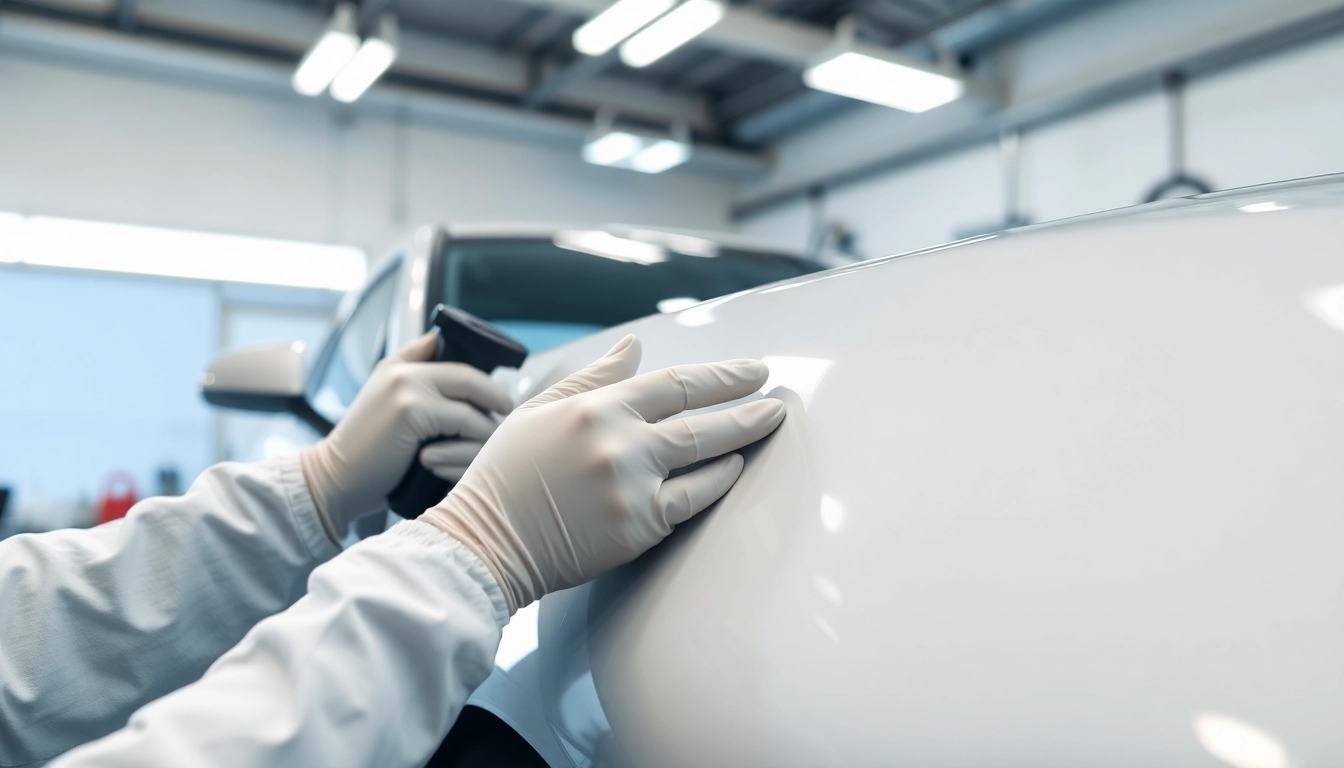
Understanding Salt Protection Ceramic Coating
What Is Salt Protection Ceramic Coating?
Salt protection ceramic coating is a revolutionary treatment designed to shield your vehicle’s exterior from corrosive elements, particularly road salt prevalent in colder regions. Unlike traditional waxing or sealants, this advanced coating forms a permanent bond with the vehicle’s paint, creating a robust barrier. It consists of nano-ceramic particles that enhance the surface’s hydrophobic properties, making it easier to repel water and contaminants. With the application of salt protection ceramic coating, your vehicle receives an added layer of defense against the harsh effects of salt damage, UV rays, and environmental pollutants.
How Does It Work?
The science behind salt protection ceramic coating lies in its unique formulation of silicon dioxide (SiO2). This component crystallizes when applied, resulting in a thin yet extremely durable layer. The coating provides a chemical bond that fills microscopic imperfections in the paint surface, leading to a smoother finish that is not only aesthetically pleasing but also highly functional. When salt, grime, or water comes into contact with the coated surface, they bead up and roll away, minimizing the likelihood of corrosion and oxidation that typically lead to rust and paint deterioration.
Benefits of Using Salt Protection Ceramic Coating
- Enhanced Durability: Salt protection ceramic coatings can last for several years, offering long-term protection compared to traditional wax.
- Hydrophobic Properties: Water and contaminants are repelled, making it easier to clean your vehicle and maintain its appearance.
- UV Protection: Protects your vehicle’s paint from sun damage, preventing fading and oxidation.
- Scratch Resistance: Adds a layer of hardness that can help resist minor scratches and abrasions.
- Cost-Effective: Reduces the frequency of detailing and repainting, ultimately saving money over time.
Preparing Your Vehicle for Salt Protection Ceramic Coating
Choosing the Right Products
Before applying salt protection ceramic coating, it’s critical to select the right products that complement the coating process. Look for high-quality soap and decontaminating agents that effectively remove all dirt, grime, and old wax from your vehicle. Opt for clay bars or iron removers to eliminate embedded contaminants before coating application. Additionally, ensure you have a suitable polish that can help prepare the surface by correcting any imperfections, which will allow the ceramic coating to bond more effectively.
Steps for Proper Cleaning
- Initial Rinse: Begin with a thorough rinse of the vehicle to remove loose dirt.
- Foam Wash: Apply a foam cannon or hand wash with a pH-balanced car soap to break down contaminants.
- Clay Bar Treatment: Use a clay bar to gently remove bonded contaminants that washing alone can’t address.
- Final Rinse and Dry: Rinse the vehicle again and dry it thoroughly using microfiber towels to prevent water spots.
- Surface Inspection: Check for swirls or scratches that need correction.
Assessing Surface Condition
Evaluating your vehicle’s surface condition is crucial for the successful application of salt protection ceramic coating. Look for any scratches, swirl marks, or oxidation. These imperfections can hinder the coating’s adhesion and longevity. Depending on the severity of the surface damage, you may need to consider polishing and paint correction techniques before proceeding with the ceramic coating application. This inspection allows you to achieve the best possible results and ensures the coating lasts longer.
Application Techniques for Salt Protection Ceramic Coating
Tools and Equipment Needed
To successfully apply salt protection ceramic coating, gather the following tools and equipment:
- Microfiber applicator pads
- Microfiber towels
- Spray bottles for panel wipe
- Polisher for surface correction (if necessary)
- Gloves to prevent contamination
- Dust-free environment for application
Step-by-Step Application Process
- Prepare the Coating: Shake the ceramic coating bottle and pour a small amount onto an applicator pad.
- Apply the Coating: Work in small sections, applying the coating in straight lines, ensuring even coverage.
- Level the Coating: After a few minutes, use a microfiber towel to buff off the excess coating, ensuring a clear finish.
- Allow Curing: Let the coated surface cure for the manufacturer-recommended time before exposing it to moisture.
- Inspect the Coating: After curing, check for any missed spots or uneven areas and make adjustments as needed.
Common Mistakes to Avoid
While applying salt protection ceramic coating can seem straightforward, there are common pitfalls to watch for:
- Rushing the cleaning process, which can leave contaminants that affect bonding.
- Applying too much coating, leading to high spots that can be difficult to remove.
- Not allowing adequate curing time before exposing the vehicle to elements.
- Neglecting to wear gloves, which can transfer oils and contaminants from your hands to the coating.
Maintaining Your Coated Vehicle
Recommended Care Practices
Once your vehicle is coated with salt protection ceramic coating, implementing a routine maintenance plan is essential for optimal performance. Regular washing should be conducted using a pH-neutral soap designed for ceramic coatings. Avoid automatic car washes with harsh brushes that may scratch the finish. Instead, consider hand washes and rinse-free washes that respect the integrity of the coating.
How to Repair Minor Damage
Minor damage such as light scratches can be repaired without needing a full reapplication of the ceramic coating. If you notice minor scratches, you can use a polishing compound specifically designed for ceramic coatings. Gently buff the area and follow up with a topcoat if needed. Always conduct tests on inconspicuous areas first to ensure compatibility.
Signs Indicating Reapplication
Knowing when to reapply your salt protection ceramic coating is vital for maintaining optimal protection. Common indicators include:
- Noticeable beads of water starting to flatten on the surface.
- Visible deterioration of gloss and shine.
- Increased difficulty in cleaning the surface.
- Signs of water spots or mineral deposits.
Exploring the Cost of Salt Protection Ceramic Coating
Factors Influencing Pricing
The cost of applying salt protection ceramic coating can vary significantly based on several factors. These include the size of the vehicle, the specific product used, the complexity of the application, and whether the job is done professionally or as a DIY project. Additionally, regional labor costs may also play a significant role in the final price. Always consider these elements when budgeting for your vehicle’s protection.
Cost-Benefit Analysis
Investing in salt protection ceramic coating can offer substantial long-term savings. Although the initial cost might be higher than traditional waxing or sealing, the durability and effectiveness of the coating mean less frequent reapplication, lower maintenance expenses, and ultimately, savings associated with maintaining a vehicle’s aesthetic appeal and market value. Over time, the benefits can outweigh the costs, making it a wise investment for conscientious vehicle owners.
DIY vs. Professional Application
When considering salt protection ceramic coating, you will face the choice between a DIY application and hiring professionals. DIY applications might seem cost-effective initially; however, proper surface preparation and application techniques are crucial for achieving desired results. Professionals possess the experience, tools, and environment necessary to ensure an ideal application and ensure longevity. Weigh the costs against potential risks of improper application before deciding.
Frequently Asked Questions
What is the lifespan of salt protection ceramic coating?
The lifespan of salt protection ceramic coating typically ranges from 2 to 5 years, depending on environmental factors and maintenance.
Can I apply ceramic coating in winter?
It’s recommended to apply ceramic coating in moderate temperatures, avoiding extreme cold or heat for optimal bonding and curing.
Is ceramic coating scratch-proof?
While ceramic coatings are scratch resistant, they are not completely scratch-proof. Proper care helps maintain their integrity.
How often do I need to wash a coated vehicle?
Ideally, wash your coated vehicle every two weeks to maintain its appearance and performance.
Does ceramic coating provide UV protection?
Yes, ceramic coatings offer UV protection, helping prevent paint fading and oxidation caused by prolonged sun exposure.