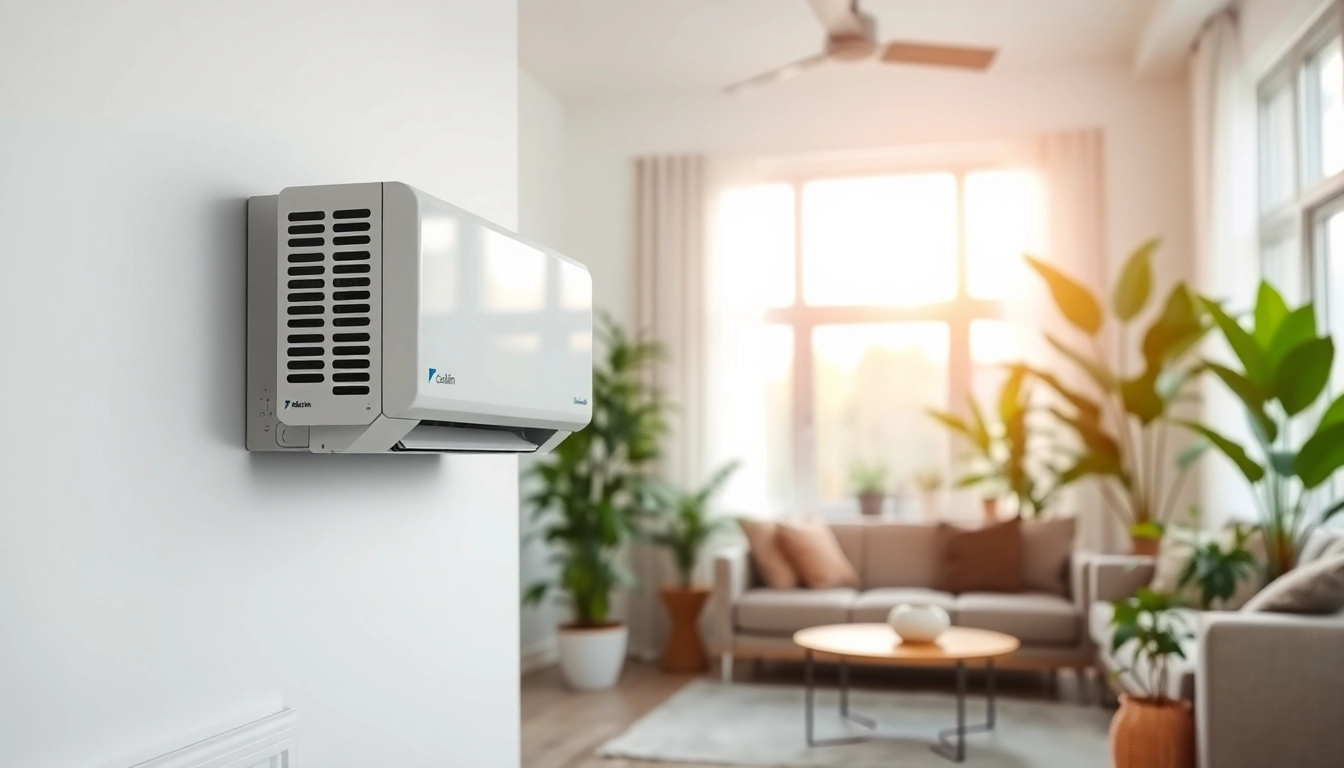
Understanding the Daikin Mini Split AC System
What is a Daikin Mini Split AC?
The daikin mini split ac is an advanced air conditioning solution designed to provide efficient, customizable climate control in a variety of settings. These systems are composed of two main components: an indoor unit, which is mounted inside your home, and an outdoor condenser unit, which is placed outside. This design allows for flexibility in installation, making it an ideal choice for homes without ductwork or for rooms that require additional cooling.
How Does a Daikin Mini Split AC Work?
The operation of a Daikin mini split AC revolves around the principles of refrigeration. It utilizes a refrigerant, a fluid that absorbs and releases heat energy, to transfer heat between the indoor and outdoor units. Here’s a basic rundown of how it operates:
- The indoor unit pulls warm air from the room and passes it over a coil filled with cold refrigerant.
- The refrigerant absorbs the heat, cooling the air before recirculating it back into the room.
- The heated refrigerant is then pumped outside, where it releases the heat through coils in the outdoor unit.
- The cycle repeats, maintaining a consistent indoor temperature.
This cycle not only cools the indoor environment but can also be reversed during cooler months to act as a heating system, enhancing versatility.
Key Features of Daikin Mini Split AC
When choosing a Daikin mini split AC, several standout features make it a preferred choice among homeowners:
- Energy Efficiency: Daikin mini splits are often rated with high SEER (Seasonal Energy Efficiency Ratio) scores, meaning they consume less power while providing significant cooling capacities—resulting in lower energy bills.
- Zone Control: This allows users to cool or heat individual rooms independently, providing customized comfort while saving energy.
- Whisper-Quiet Operation: Daikin mini splits are designed to operate at low noise levels, ensuring a peaceful indoor environment.
- Smart Technology: Many models offer Wi-Fi connectivity, allowing users to control their systems remotely via smartphone apps.
Benefits of Choosing a Daikin Mini Split AC
Energy Efficiency and Cost Savings
Energy efficiency is one of the primary reasons homeowners choose a Daikin mini split AC. These systems utilize inverter technology, which allows for variable speed compressor operation. Instead of turning on and off frequently like traditional systems, the inverter adjusts its speed to maintain the desired temperature smoothly. This results in much lower electrical consumption, leading to significant cost savings over time.
Improved Indoor Air Quality
Mini split systems like the Daikin also offer advanced filtration that captures dust, allergens, and other particulates. By regularly changing the filters and using systems equipped with air purifying technology, indoor air quality can be greatly improved. This is vital for households with allergies or respiratory issues, as cleaner air can lead to better overall health and comfort.
Flexible Installation Options
Unlike traditional HVAC systems that require extensive ductwork, the Daikin mini split AC can be installed in a variety of configurations, including wall-mounted, ceiling-hung, or even floor-mounted units. This flexibility makes them suitable for both new constructions and retrofit applications. The only structural requirements are a small hole for refrigerant lines and drainage.
Installation Guide for Daikin Mini Split AC
Preparing Your Space for Installation
Before installation, assessment of the intended space is crucial. Here are steps to prepare:
- Select Optimal Locations: Choose locations for both indoor and outdoor units that allow for efficient energy transfer, easy accessibility, and aesthetic integration.
- Ensure Sufficient Power Supply: Verify that the electrical system can support the load of the new mini split AC.
- Clear Any Obstructions: Make sure there are no barriers around the intended installation sites that could hinder airflow or maintenance access.
Steps for Professional Installation
While installation can be a DIY project for some, it is generally recommended to hire a licensed HVAC technician. Here’s an overview of the professional installation process:
- Mounting the Indoor Unit: The technician will securely mount the indoor unit on the wall or ceiling, ensuring that it is level.
- Installing the Outdoor Unit: The outdoor condenser is placed on a solid surface, usually elevated to prevent flooding and damage.
- Connecting Refrigerant Lines: Insulated copper refrigerant lines and wiring are run between the two units, along with a drain line for condensation.
- Electrical Connections: The system is connected to the home’s power supply, and a disconnect switch is often installed near the outdoor unit.
- Testing the System: Finally, the technician will check all connections for leaks and test the operation of the system.
Common Installation Mistakes to Avoid
To ensure effective operation and longevity, it’s essential to avoid common pitfalls during installation:
- Improper Sizing: Failure to select the right size unit can lead to inefficiency or discomfort.
- Inadequate Insulation: Ensure that refrigerant lines are properly insulated to prevent energy loss.
- Neglecting Airflow Considerations: Blocked airflow can hinder performance; good clearance around the unit is vital.
Maintenance Tips for Optimal Performance
Regular Cleaning and Filter Replacement
To maintain peak performance, regular maintenance is crucial. Here are key steps:
- Clean or Replace Filters Monthly: Dirty filters reduce airflow, making the system work harder and less effectively.
- Clean the Indoor and Outdoor Coils: Dust and debris can accumulate on the coils, degrading heat exchange efficiency.
- Check for Blockages: Ensure that air circulation paths remain unobstructed.
Signs Your Daikin Mini Split AC Needs Attention
Being vigilant for performance issues can save you from costly repairs. Watch for these signs:
- Unusual Noises: Anything beyond the normal operating sound may indicate mechanical issues.
- Inconsistent Temperatures: If the system struggles to maintain the set temperature, it may require professional evaluation.
- Strange Odors: Foul smells may signal mold growth within the system that needs cleaning.
Professional Maintenance Services
Schedule regular professional maintenance to ensure long-term efficiency. A certified technician can perform deeper maintenance tasks, such as checking refrigerant levels, calibrating the system, and inspecting electrical connections. This proactive approach extends the lifespan of your Daikin mini split AC.
Frequently Asked Questions about Daikin Mini Split AC
How efficient is a Daikin mini split AC?
Daikin mini split AC units are highly efficient, often boasting SEER ratings above 20, translating to lower energy bills and enhanced cooling performance.
Can a Daikin mini split AC work in extreme temperatures?
Yes, Daikin mini split systems are engineered to operate effectively even in conditions as low as -5°F, thanks to advanced inverter technology.
What size Daikin mini split AC do I need?
The appropriate size is determined by the space’s square footage, insulation quality, and climate. A professional assessment is recommended for optimal results.
Does a Daikin mini split AC require regular maintenance?
Yes, regular maintenance, such as cleaning filters and coils, is essential to maintain efficiency and prevent costly repairs down the line.
How do I troubleshoot common Daikin mini split AC issues?
Common troubleshooting steps include checking the filters, ensuring power to the unit, and inspecting for blocked airways. For complex issues, consult a professional.